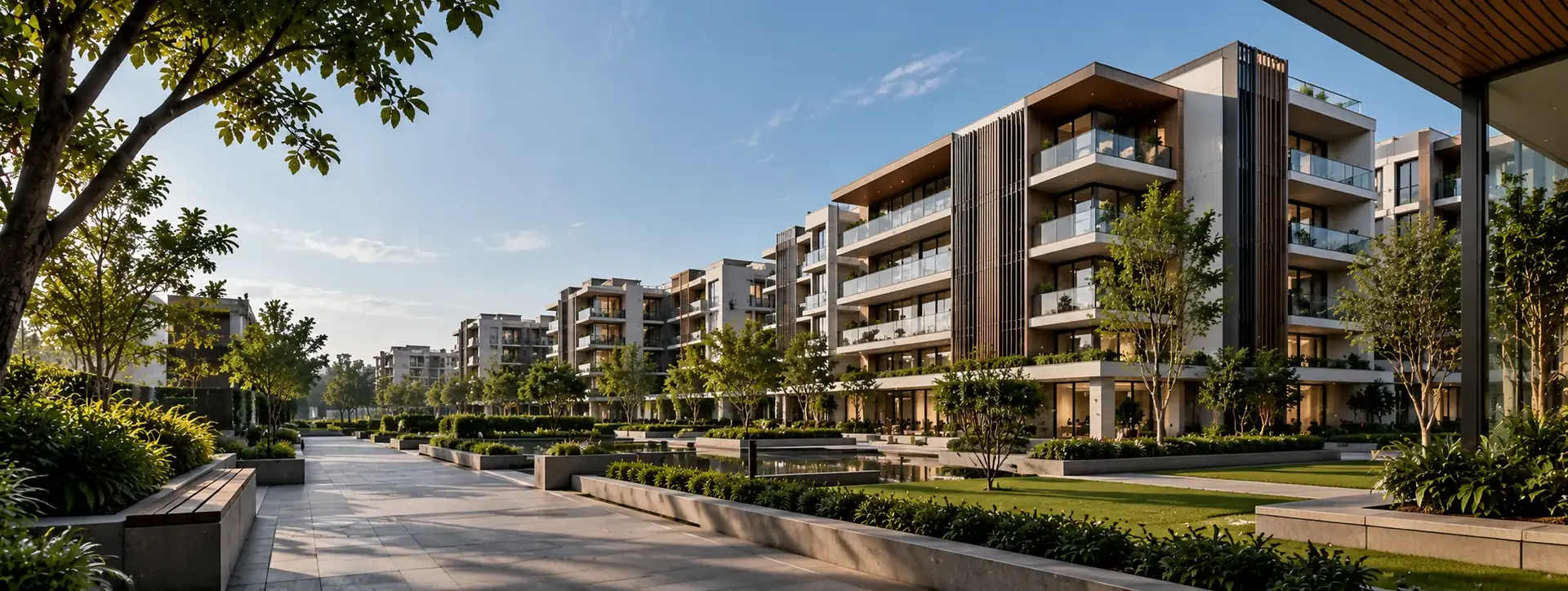

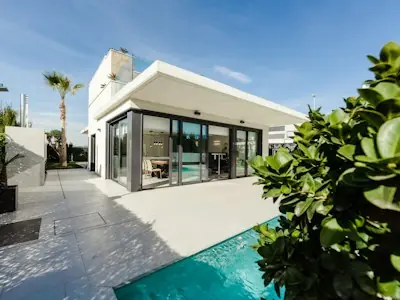
Sustainability in luxury homebuilding is no longer an optional ecological checkbox; it is the ultimate expression of sophisticated engineering. When environmental resilience converges with high architectural design, homes cost less to operate, deliver purest air quality, and safeguard generational wealth.
1. Passive Solar Design and Thermal Mass Engineering
In tropical climates like Western India, the primary energy drain is mechanical air conditioning. By aligning building elevations along the east-west axis and using deep cantilevered overhangs, direct thermal radiation into living spaces is reduced by up to 60%.
Aerated autoclaved concrete (AAC) blocks and double-glazed low-emissivity (Low-E) glass create an airtight thermal envelope, retaining indoor cool air while deflecting peak afternoon solar heat.
“Biophilic architecture bridges high-performance engineering with the organic serenity of natural ecosystems.”
2. Closed-Loop Water Stewardship: Rainwater to Aquifer Recharge
Every Nidisha development integrates a scientific closed-loop water grid:
- 100% Rooftop Rainwater Capture: Filtered and routed into high-capacity subterranean recharge pits replenishing local groundwater tables.
- On-Site Membrane Bio-Reactor (MBR): Treating domestic greywater to tertiary standards for landscape irrigation and flushing systems.
- Smart Sensor Drip Irrigation: Automated soil moisture probes preventing water wastage across community parks and sky gardens.
- 42% Lower Power Bills: Net-metered rooftop solar arrays power common areas, water pumps, and EV charging points.
- Zero Landfill Waste: Automated on-site organic waste composters generate nutrient-rich compost for community gardens.
- Zero-VOC Indoor Air: Certified non-toxic mineral paints eliminate toxic off-gassing for respiratory wellness.
- Extended Structural Lifespan: High-grade fly-ash blended concrete resists moisture intrusion and chemical corrosion.
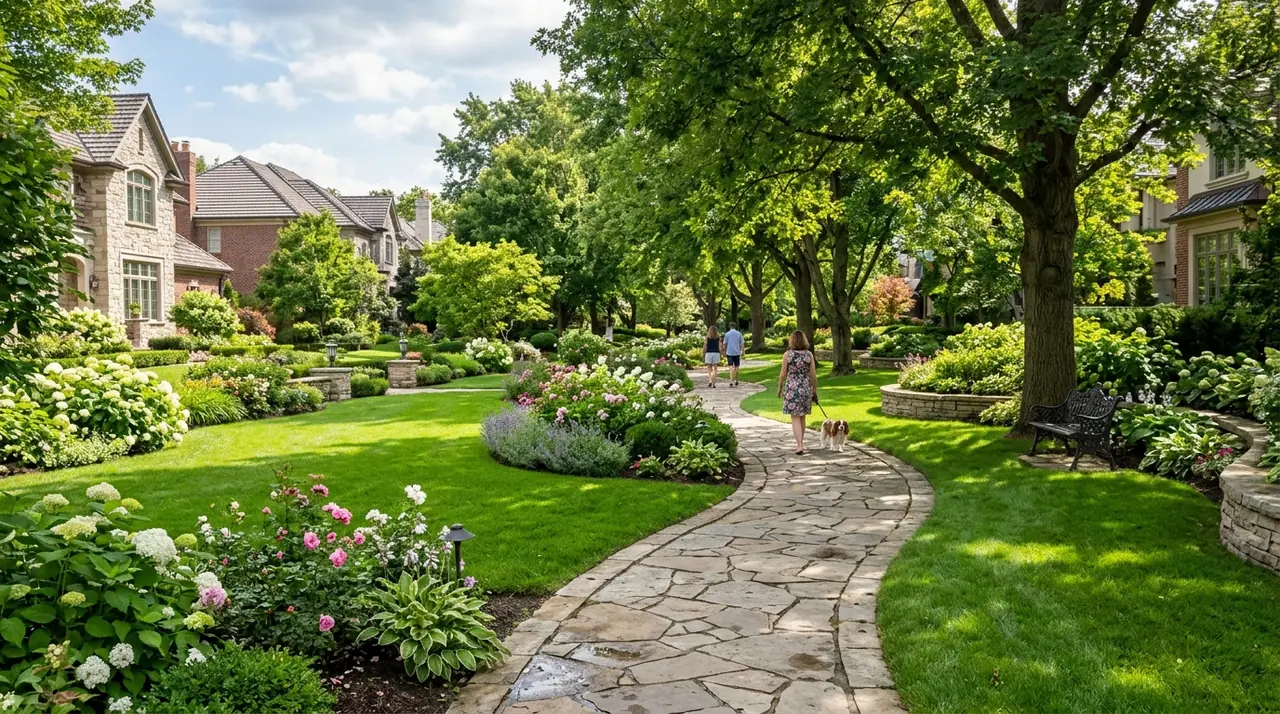
3. Generational Legacy: Building for Tomorrow
As energy codes tighten and climate policies evolve, green-certified residences appreciate at significantly higher rates than conventional developments. Investing in a sustainable home is an investment in human health, planetary responsibility, and financial longevity.
 MARKET TRENDS
The Future of Urban Living: Trends Shaping Modern Homes
Explore how evolving lifestyles and sustainability redefine city living.
 COMMUNITY
How Neighbourhoods Shape a Better Lifestyle
Why the right community makes all the difference in your quality of life.